
Why luck plays a role in casino success
The Nature of Luck in Gambling
Luck is an intrinsic element of gambling that often dictates the outcomes of games in casinos, including options for playing casino online nz where the thrill extends beyond traditional settings. Essentially, luck can be defined as the unpredictable force that influences events, resulting in chance victories or losses. This could manifest in various forms, such as the roll of dice in craps or the spin of a roulette wheel. While players can employ strategies and skills to enhance their gaming experience, the element of luck remains a predominant factor that determines the overall success of their endeavors.
Understanding luck’s role begins with recognizing that casinos are designed to create an atmosphere where chance reigns supreme. Game mechanics are crafted to ensure that no outcome is guaranteed, leaving players at the mercy of fate. For instance, when playing slot machines, players may choose their bets strategically, but the result ultimately hinges on the random number generators that determine the outcomes. This essential randomness adds a thrilling aspect to the experience, drawing players back in hopes of a lucky break.
Moreover, luck plays a pivotal role in player psychology. Many gamblers may cling to the belief in luck as they partake in games, which influences their decision-making processes. This belief can lead one to feel that certain venues or even specific machines hold a higher potential for luck. Such notions can amplify the excitement of gaming, encouraging players to return in search of favorable outcomes. Acknowledging the role of luck helps players navigate the highs and lows of their experiences in casinos.
The House Edge and Its Relationship with Luck
The concept of the house edge is critical to understanding how luck interacts with casino success. The house edge represents the mathematical advantage that the casino holds over players in any given game. This built-in advantage ensures that, over time, the casino will profit from players’ bets. Though luck can lead to short-term victories for players, the house edge guarantees that long-term success is improbable without substantial luck. For example, in games like roulette, while players can place strategic bets, the house edge remains constant, influencing the outcomes over time.
In games like blackjack, players can use strategies to minimize the house edge, but regardless of skill, they are still subject to the whims of luck. A player may have a good understanding of basic strategy but face a string of bad luck with card draws, resulting in losses. This interplay between skill, strategy, and luck creates an environment where success is ever-elusive, reinforcing the notion that luck is a significant factor in a player’s overall outcomes. It becomes clear that while skill can influence immediate results, the overarching impact of luck remains undeniable.
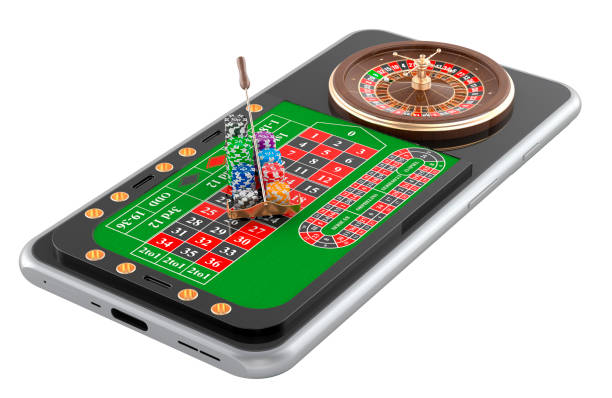
Furthermore, the perception of luck may influence how players manage their bankrolls. A player who experiences a series of wins may feel invincible, believing that their luck will continue. Conversely, a losing streak can lead to desperate decisions, where players chase losses in hopes of eventually catching a lucky break. This emotional rollercoaster is deeply tied to the luck factor, illustrating just how integral it is to the casino experience. Players often find themselves caught in a cycle where their belief in luck directly affects their financial decisions and gaming strategies.
The Impact of Luck on Player Behavior
Luck can significantly shape player behavior within casinos, impacting their overall experience and decision-making. The belief in luck may lead to various gambling styles, from conservative players who bet cautiously to high rollers who risk substantial amounts in the hope of hitting big. Each player’s unique approach to gambling is often a reflection of their past experiences, shaped heavily by moments of luck or lack thereof. For instance, a player who has enjoyed a series of wins may be more inclined to take risks, while someone who has faced frequent losses might bet more conservatively.
Additionally, superstitions play a role in how players view luck. Many gamblers have personal rituals or beliefs they uphold in hopes of attracting good fortune, such as wearing lucky charms or avoiding specific numbers. This behavior underscores how deeply intertwined luck is with personal identity and the gambling experience. Players often attribute their successes or failures to these superstitions, further enhancing the emotional connection they have with the concept of luck. Such rituals can create a sense of control in an otherwise unpredictable environment.
Moreover, the impact of luck extends beyond individual player experiences; it shapes the collective atmosphere of the casino. When luck is in the air, the energy in the room changes dramatically. Crowds may gather around a table or machine that has just paid out a significant win, hoping to tap into the aura of fortune. This communal aspect of gambling emphasizes the social nature of the experience, where luck serves as a catalyst for interaction among players, enhancing the overall entertainment value of being in a casino. The shared experience of luck can create bonds between players, fostering a sense of community that enriches the gaming environment.
The Role of Luck in Game Variety
Luck is a defining characteristic that affects the variety of games offered in casinos. From slots to table games, each type of game incorporates luck in varying degrees. For instance, while poker requires a blend of skill and luck, slots rely almost entirely on random outcomes. This diversity in game mechanics caters to different types of players, allowing them to choose their preferred level of risk and engagement with luck. Players might be drawn to the simplicity of a slot machine or the strategic depth of poker, each representing a different relationship with luck.
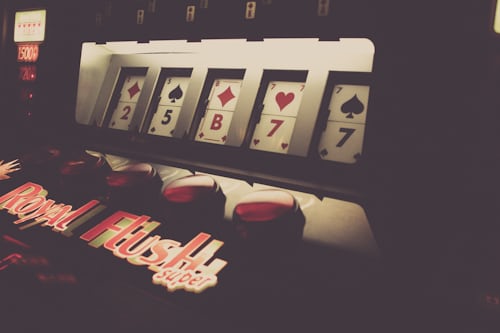
Furthermore, the diversification of games allows casinos to attract a broader spectrum of players, each with their unique beliefs about luck. Casual gamers may find pleasure in the simplicity of slot machines, while seasoned players are drawn to skill-based games like blackjack or poker. By offering this mix, casinos not only capitalize on the thrill of chance but also ensure that luck remains a central element of player engagement across various gaming preferences. This strategy helps casinos thrive, as they cater to both risk-takers and those who prefer a more conservative approach.
The presence of luck in games also leads to innovative game designs that keep players returning for more. Developers continually strive to create games that balance luck with interesting mechanics, enhancing player enjoyment while still maintaining the thrill of uncertainty. This ongoing evolution in game design reflects the casino industry’s recognition of luck as a vital component that drives player participation and satisfaction. As new technologies emerge, casinos are likely to introduce games that further manipulate luck, creating even more engaging experiences for players.
Conclusion and the Experience of Gambling
In conclusion, luck is an undeniable force that plays a multifaceted role in casino success. It impacts not only the outcomes of individual games but also the psychological experience of players as they navigate their gambling journeys. Understanding how luck operates within the context of gambling can empower players to approach gaming with a more balanced mindset, recognizing that both strategy and chance influence their experience. This dual recognition can lead to healthier gambling habits and a more enjoyable experience overall.
This relationship with luck shapes the dynamic environment of casinos, encouraging social interaction and enhancing the excitement of the gaming experience. As players seek out their next lucky opportunity, they contribute to the vibrant atmosphere that defines casinos. Ultimately, the interplay of luck and player engagement is what keeps the industry thriving, drawing in new and returning players alike. Each spin of the wheel or shuffle of the cards becomes an adventure filled with the potential for fortune.
For those eager to explore the world of gambling, understanding the nuances of luck can lead to a more fulfilling experience. By embracing the unpredictability of fortune, players can appreciate both the thrill of the games and the stories shared among fellow gamblers. With luck as a key player in the journey, every visit to a casino becomes not just a quest for success but an adventure steeped in the chance of discovering a fortune that could change their lives forever.