
Which Blackjack Format Fits Your Online Playing Style?

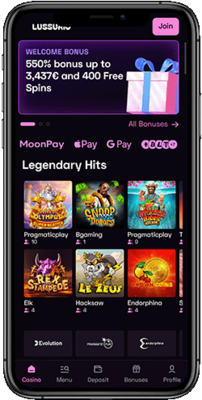
Canadian online blackjack sites can differ considerably in how they present the same familiar game. Some focus on quick digital tables, while others offer live dealers, side bets, tournament formats or several rule variations. The Lussurio catalogue, described as covering both standard and live-dealer blackjack, gives players a useful example of how to compare formats rather than choosing by title alone. You can review the available information about lussurio casino, then assess each table by its rules, pace, interface and betting conditions before deciding whether it suits your preferences.
Start by separating digital blackjack from live tables
Digital blackjack uses software to deal cards and settle each round. It is generally designed for speed: players choose their wager, select hit, stand, double or split when available, and move quickly to the next hand. This format may suit someone who values straightforward navigation, shorter sessions or the ability to play without waiting for a dealer and other participants.
Live-dealer blackjack creates a different atmosphere. A real dealer presents the cards through a video stream, while players make decisions through an online interface. Depending on the table, several people may share the same hand or play individual hands against the dealer. Live formats can feel closer to a physical casino, but the pace may be slower because dealing, betting windows and other players are part of the experience.
The choice is not simply between “real” and “not real”. Each format has practical trade-offs. Digital tables may offer more convenient scheduling and faster decisions, whereas live tables may provide clearer visual dealing and social interaction. Neither format should be assumed to be more favourable solely because of its presentation. Before playing, read the displayed rules, check how the table operates and decide whether its pace encourages calm decisions rather than rushed ones.
What should you check in the table rules?
The name of a blackjack game does not tell you everything that matters. Look for the number of decks, the dealer’s action on a soft 17, the available doubling rules and whether surrender is permitted. These details affect the decisions available during a hand. A table that permits doubling after splitting, for example, gives a different range of choices from one that restricts it.
Pay attention to blackjack payouts and insurance rules as well. A natural blackjack may be paid at a particular ratio, while some tables use a lower payout than traditional versions. Insurance is an additional wager offered in limited situations; it is not a requirement, and accepting it changes the mathematics of the hand. Side bets can also appear beside the main game, often based on card combinations or special outcomes.
A useful pre-play checklist includes:
- the number of decks and the dealer’s soft-17 rule;
- blackjack payout and whether pushes are returned;
- doubling, splitting and surrender permissions;
- the minimum and maximum stake shown for the table;
- the presence and terms of side bets;
- any rules that differ between digital and live versions.
These points are more useful than promotional labels. If a rule is unclear, do not infer it from another table or from a familiar casino convention. Open the information panel or ask support to clarify the stated conditions before committing funds.
How do side bets change the playing experience?
Side bets are optional wagers placed alongside the main blackjack hand. They may pay when certain combinations appear, such as suited cards, pairs or a particular relationship between the player’s and dealer’s cards. Their names and conditions vary widely, so a side bet should be treated as a separate game rather than an enhancement to the standard hand.
The appeal is easy to understand: side bets can create larger advertised payouts and add variety to an otherwise familiar format. The trade-off is that they often depend on less frequent outcomes and may carry a different house edge from the main wager. A player who understands basic blackjack decisions may still know very little about the mathematics of a particular side bet.
For that reason, compare the main wager and side bets independently. Read the paytable, identify the qualifying combinations and check whether the bet is available on every hand or only under particular conditions. Avoid assuming that a large possible payout means a better opportunity. A high maximum return can coexist with a low probability of winning.
It can also help to set a fixed amount for optional wagers before opening a table. If the side-bet balance is separate from the main-game budget, stop when that amount is used rather than increasing stakes to recover it. This keeps the added entertainment cost visible and prevents a visually exciting feature from quietly becoming the centre of the session.
When is a live-dealer table the better match?
Live blackjack may appeal to adults who prefer a more structured setting. The dealer’s actions are visible, betting windows are clearly signalled and the table often has a defined rhythm. This can make the game feel less solitary than software-based play. Some live tables also provide chat, although participation is optional and should not be confused with personal advice.
However, live play introduces limitations. A table may be unavailable when you want to play, reach its player capacity or use minimum stakes that are higher than a digital alternative. A slower hand rate can be positive for someone seeking a measured pace, but frustrating for someone looking for quick rounds. Streaming quality, device performance and a stable internet connection can also affect the experience.
Before choosing a live table, review its schedule, displayed limits and rules. Consider whether you want to play a shared game or make decisions at a private-feeling digital table. If the table includes several optional wagers, identify the main blackjack button and the side-bet controls before placing anything.
Live presentation should not be treated as evidence of better odds. The relevant comparison remains the written rule set, the permitted actions and the payout structure. A calm, readable table with rules you understand is generally more useful than an impressive interface that makes it difficult to see your stake, decisions or balance. For broader information about gambling risks and safer choices, consult Canadian responsible gambling information.
Build a shortlist instead of choosing by game count
A large catalogue can be convenient, but quantity alone does not make game discovery easier. Start with your preferred format: digital blackjack, live dealer or a particular variation. Then narrow the selection by pace, table limits and rule features. Provider filters and category navigation can help when they are available, but the final decision should come from the individual table information.
Use a simple comparison process. First, remove tables whose minimum stake is unsuitable for your planned session. Next, compare blackjack payouts and core rules. Then decide whether side bets, live presentation or a faster interface genuinely add value for you. If two tables appear similar, choose the one with clearer rules and easier access to game history or session controls.

Keep promotional language separate from game quality. A bonus, tournament or loyalty offer may have its own conditions, excluded games and wagering requirements. It should not determine whether the underlying blackjack format is appropriate. Check the current terms attached to any offer and avoid assuming that a promotion applies equally to digital blackjack, live dealer games and side bets.
Finally, treat a short session as a way to assess usability, not as proof of fairness, profitability or a particular return rate. Notice whether the table displays decisions clearly, records wagers accurately and lets you leave without pressure to continue. If the experience feels confusing or encourages larger bets than planned, it is a sign to stop and reconsider the format.
Questions players often ask about blackjack formats
Is live blackjack more strategic than digital blackjack?
No. The presentation changes, but the strategic decisions depend mainly on the table’s rules and the cards dealt. Live play may feel more immersive, while digital play may be faster. Compare the permitted actions, payouts and limits rather than assuming one format automatically offers better decisions or results.
Should beginners use blackjack side bets?
Beginners may prefer to learn the main hand first. Side bets use separate paytables and can behave differently from the primary wager. If you try one, read its exact conditions, set a small fixed budget and treat it as optional entertainment rather than a necessary part of playing blackjack.
What if a table’s rules are not clearly displayed?
Do not rely on assumptions from another game. Look for the table’s help panel, rules tab or paytable, and ask support if an important condition remains unclear. If the information cannot be confirmed, choose a table with more transparent rules and visible limits instead.